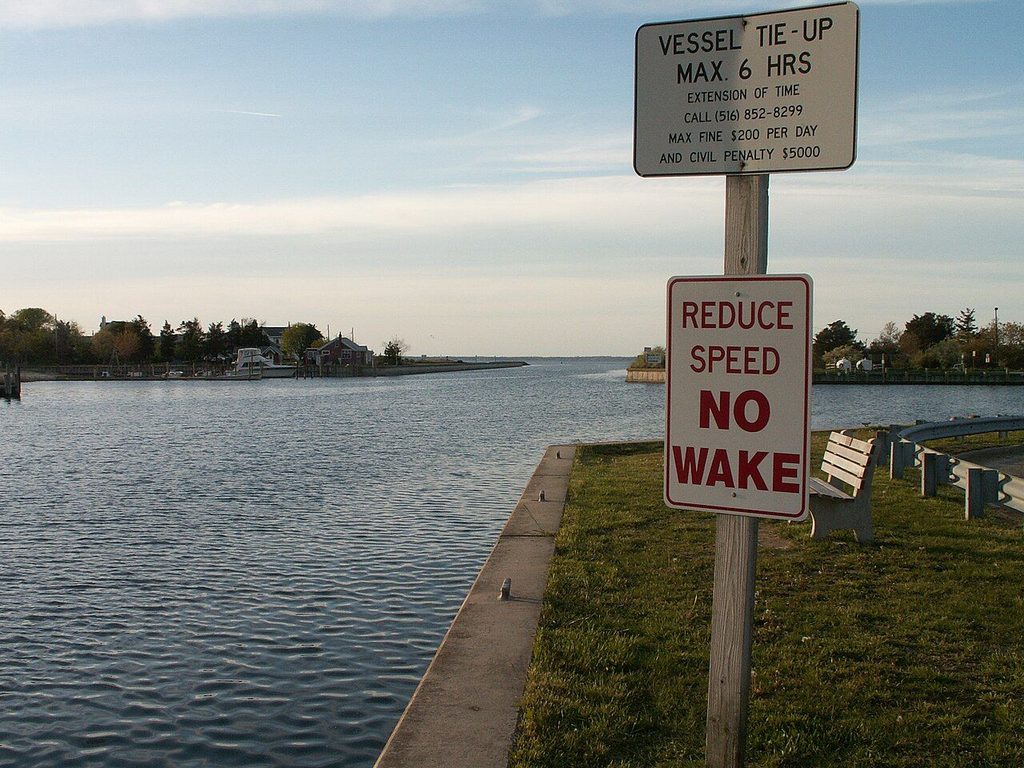
The North Fork sits between sheltered bays and open Sound, a meeting place for fish, shellfish and the birds that feed on them. Ospreys rule the summer, sea ducks the winter.
On the water: Shallow, calm bays with mud flats at low tide; open Sound to the north is cooler and choppier in wind.
- Best months April, May, September, December
- Getting there Route 25 east, then bay roads
- Bring Binoculars, field guide, layers, waterproof boots
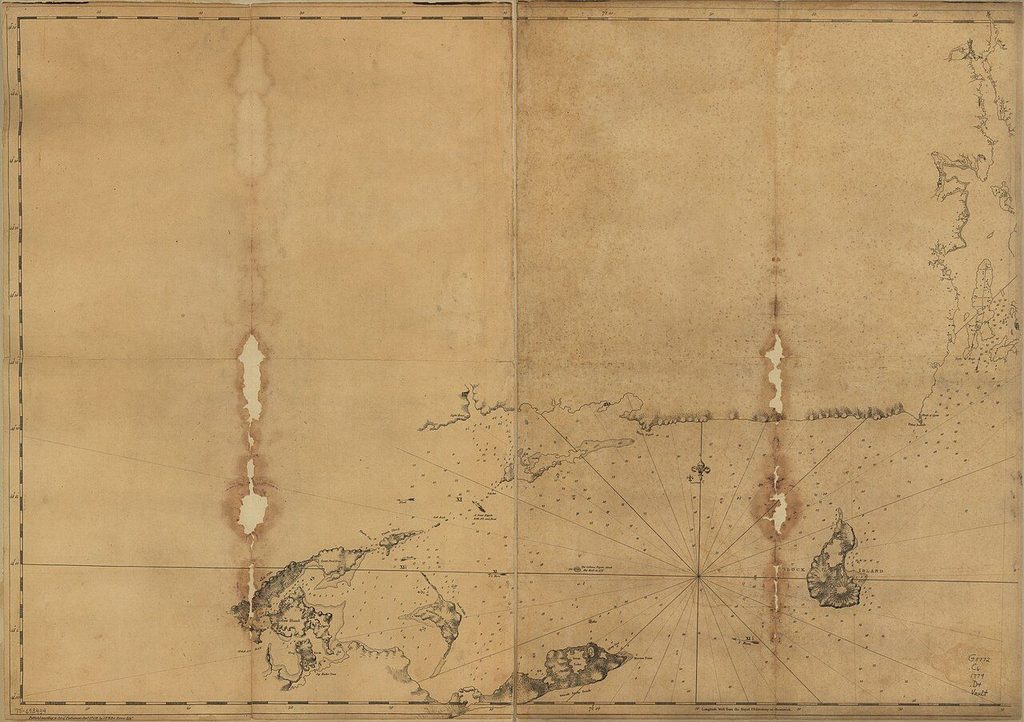
Look at a map of the eastern end of Long Island and you see how much of the North Fork is edged by water. To the north lies Long Island Sound. To the south lie the Peconic bays, a chain of shallow, sheltered waters that run between the two forks out toward Gardiners Bay. Between them, harbors, creeks and salt marshes cut into the land. All this water feeds a rich food chain of fish, shellfish and crabs, and the birds follow.
No special trip is needed to see birds here. Ospreys fly over the roads, gulls follow the ferries, and every bay holds something. But a few places and seasons repay attention.
The Peconic bays
Peconic Bay is not one body of water but several, from the narrow upper bay near Riverhead through the wider Great Peconic and Little Peconic bays to the open water around Shelter Island. The water is shallow and warm in summer, with eelgrass beds in places and sandy and muddy bottoms that support clams, scallops and small fish. The bays were long famous for their bay scallops, and shellfishing still goes on.
The south shore of the North Fork faces these bays along much of its length, with small town beaches, creeks and marsh at the ends of the side roads off Route 25. Any of these makes a good stop, and the quietest ones are often the smallest, a lane ending at a strip of sand with a view over open water. Low tide exposes mud flats where herons, egrets and shorebirds feed.
i
Des Barres, Joseph F. W. (Joseph Frederick Wallet); Des Barres, Joseph · Public domain
Ospreys on their platforms
Ospreys are the great success story of these bays. In the mid-twentieth century their numbers fell sharply, largely because of the pesticide DDT, which thinned their eggshells. After DDT was banned, and with the help of nesting platforms put up on poles across the East End, they returned in large numbers. Today you can see their big stick nests on platforms in marshes, on channel markers and on utility poles all along the fork.
The birds arrive back from South America in March, repair their nests and lay eggs in spring. Young ospreys hatch in late spring and fledge in summer, and by September most have left. Watch them hunting: an osprey hovers high over the water, then folds and plunges feet first, often coming up with a fish held head forward in its talons. Never approach a nest closely, and do not fly drones near one.
Terns, plovers and the summer beaches
In summer, terns fish along the bay and Sound shores, diving into the water with sharp, quick plunges. Several kinds nest on the beaches and small islands of the East End. On open sandy beaches, the small, pale piping plover nests directly on the sand, and its eggs and chicks are almost invisible.
Because of this, parts of some beaches are fenced or posted from spring into late summer. Stay outside the fenced areas, keep dogs leashed or away entirely where rules require it, and walk close to the water line. If a bird runs ahead of you calling, or pretends to have a broken wing, you are near a nest or chicks: move away slowly.
See also: Orient Beach State Park and the bay side
Hallock Bay and the eastern marshes
At the eastern end of the fork, near Orient, the land narrows and the marshes widen. Hallock Bay is a shallow, protected stretch of water on the inside of the Orient shore, with salt marsh, mud flats and quiet edges that suit wading birds and waterfowl. Nearby, the long sandspit of Orient Beach State Park offers more marsh on its harbor side and a long view over Gardiners Bay on the other.
The low causeway where Route 25 crosses from East Marion toward Orient passes between water on both sides, and the views from the road are good for spotting swans, cormorants and gulls. Pull over only where it is safe and legal to do so.
Winter ducks and seals
When the ospreys leave, the sea ducks come in. From late autumn through early spring, the bays and the Sound hold rafts of buffleheads, long-tailed ducks, scoters, mergansers and brant, a small, dark goose that feeds on eelgrass and sea lettuce close to shore. Loons and grebes also winter on the open water. A cold, still morning with flat water is the best time to scan, with binoculars or a spotting scope.
Seals visit the East End in winter as well, hauling out on rocks and remote beaches. Watch from a distance and never approach or try to feed them. In winter, the far end of the fork and the ferry crossing at Orient Point are good places to look over the water.
Horseshoe crabs and simple etiquette
In late spring and early summer, horseshoe crabs come ashore on bay beaches to spawn, mostly around high tides near the new and full moons. They are ancient animals, related more closely to spiders than to true crabs, and they are harmless. If you find one stranded on its back, you can gently turn it over by the edge of its shell. Never pick one up by the tail.
- Keep your distance from nests, roosting flocks and resting seals.
- Stay on paths and out of fenced areas.
- Carry your rubbish home; fishing line in particular kills birds.
- Check local rules on dogs, shellfishing and fishing before you go.
Combine a morning of birding with the old farm roads, described in the guide to farm stands and fields along Route 25, and you see both halves of the fork's life: the land and the water.