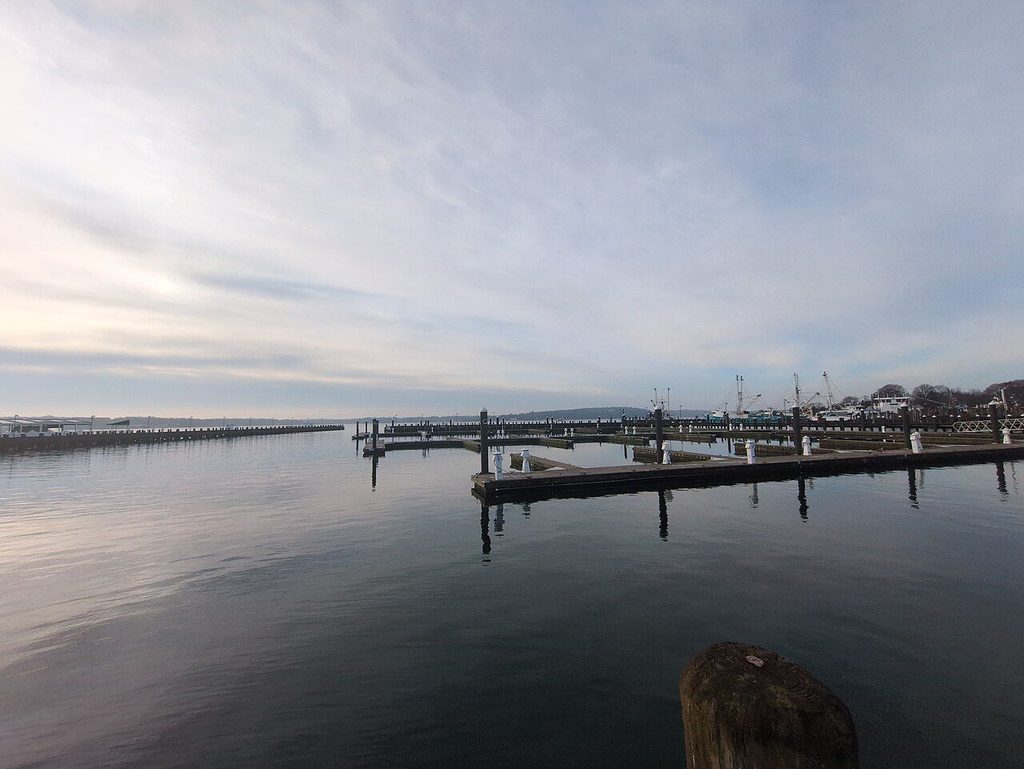
Greenport is the North Fork's harbor village, a compact grid of old streets running down to working docks. Walk it in a morning, ride the carousel, and take the short ferry across to Shelter Island.
On the water: Sheltered, deep harbor water with boat traffic; no swimming at the docks. Calm most days, choppy in a northeast wind.
- Best months May, June, September, October
- Getting there Route 25, or train to Greenport
- Bring Walking shoes, light jacket, coins for parking
Greenport sits on the south shore of the North Fork, facing a deep harbor and the green bulk of Shelter Island. It is an incorporated village, small enough to walk from end to end in twenty minutes, with streets of old houses running down to a waterfront still used by fishing boats, sailboats and ferries. For centuries this was the North Fork's port. It still feels like one.
The village is the natural base for exploring the eastern end of the fork. Orient and its state park lie a short drive east, and Southold a short drive west.
A working harbor
Greenport owes its existence to deep water close to shore. In the nineteenth century the harbor sent out whaling ships, built and repaired vessels, and later became a centre of the menhaden fishery and of oyster growing in Peconic Bay. During Prohibition the harbor saw its share of rumrunning. Today the commercial docks are smaller, but fishing boats still tie up here, and the harbor stays busy with yachts, sailing schools, tall ships on visits and the steady back and forth of the Shelter Island ferry.
Walk the docks early in the morning, when the light is soft and the boats are coming and going. Respect working areas: if a dock is marked private or crews are loading, keep clear.
Mitchell Park and the carousel
The heart of the waterfront is Mitchell Park, a public park along the harbor between Main Street and the ferry dock. It has a boardwalk and marina, open lawns, benches facing the water, and in summer a lively stream of people walking the edge of the harbor.
The park's best-known feature is its antique carousel, housed in a glass pavilion so that it can run in most weather. It operates in the warmer months and on some days in the shoulder seasons, and riders can still reach for the brass ring as the horses turn. The park also has a camera obscura, a small darkened building where a lens projects a live image of the harbor onto a table, and in winter a public skating rink. Hours for each of these vary by season, so check before you go.
It has a boardwalk and marina, open lawns, benches facing the water, and in summer a lively stream of people walking the edge of the harbor.
Museums along the waterfront
Greenport is the eastern end of the Long Island Rail Road's Main Line, and the old freight station near the tracks now houses a railroad museum. Its collection covers the history of the line on the East End, with equipment, models and photographs, and it tends to delight children and rail enthusiasts alike. It is usually open on a seasonal schedule.
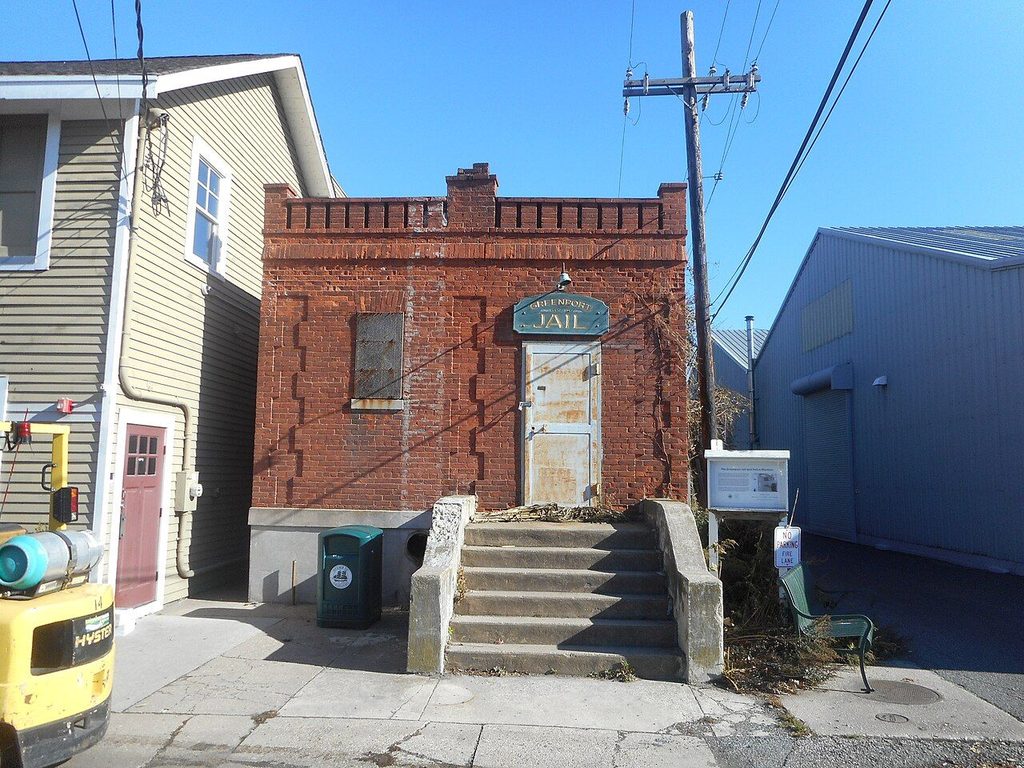
Near the ferry dock, a small maritime museum tells the story of the East End's seafaring life: whaling, shipbuilding, oystering, lighthouses and the people who worked the water. The village also preserves its old brick jail, a tiny building near the waterfront that now serves as a police museum on certain days. Opening times for all three change with the season; check before you go.
i
DanTD · CC BY-SA 4.0See also: Orient Point, the lighthouse and the ferry
The Shelter Island ferry
A short car and passenger ferry crosses from Greenport to Shelter Island, departing near the end of the village's main street. The crossing takes only a few minutes, and the boats run frequently through the day. The service is first come, first served for cars, with no reservations; on summer weekends and holidays the line can stretch back through the village. Fares and hours change, so check before you go.
Shelter Island itself is quiet and wooded, with a large nature preserve on its southeastern side, and from its south shore a second ferry continues to the South Fork. Many travellers use the two ferries as a way to cross between the forks without driving back through Riverhead. Even without a plan, a round trip on foot is a cheap and pleasant way to see Greenport from the water. From the deck you get a clear view back over the docks, the church steeples and the roofs of the village climbing gently from the harbor.
Walking the village
Away from the waterfront, Greenport's streets are lined with houses from the nineteenth century, many of them built for sea captains, shipbuilders and fishery owners. Front and Main Streets form the commercial core. A loop of a mile or two takes in the harbor edge, the residential streets north of the centre and the small beach and marshes at the eastern end of the village.
- Parking in the centre is limited in summer and may be metered; check the signs.
- Weekday mornings are much quieter than summer weekends.
- The village hosts a maritime festival in early autumn in most years, which brings crowds and boats.
- Public restrooms are available near the waterfront park.
Getting there and around
By car, Greenport lies on Route 25 near the eastern end of the North Fork, a long drive from New York City that can take three hours or more in summer traffic. Trains run on the Main Line to Greenport, but service on the eastern section is limited, often with a change of train along the way; check the timetable carefully before relying on it. Bus services also connect the North Fork with the city in summer.
Once here, you can walk the village and take the ferry on foot. For the rest of the fork, you need a car or a bicycle. A circuit east to Orient Beach State Park and back makes an easy day, and the roadside produce along the way is covered in the guide to farm stands and fields along Route 25.
In the evening, return to the harbor. The ferries keep running, the lights come on along the docks, and the water settles down for the night.